Design System
Fintech
NFTs
Closed
Whitelabel Component Library
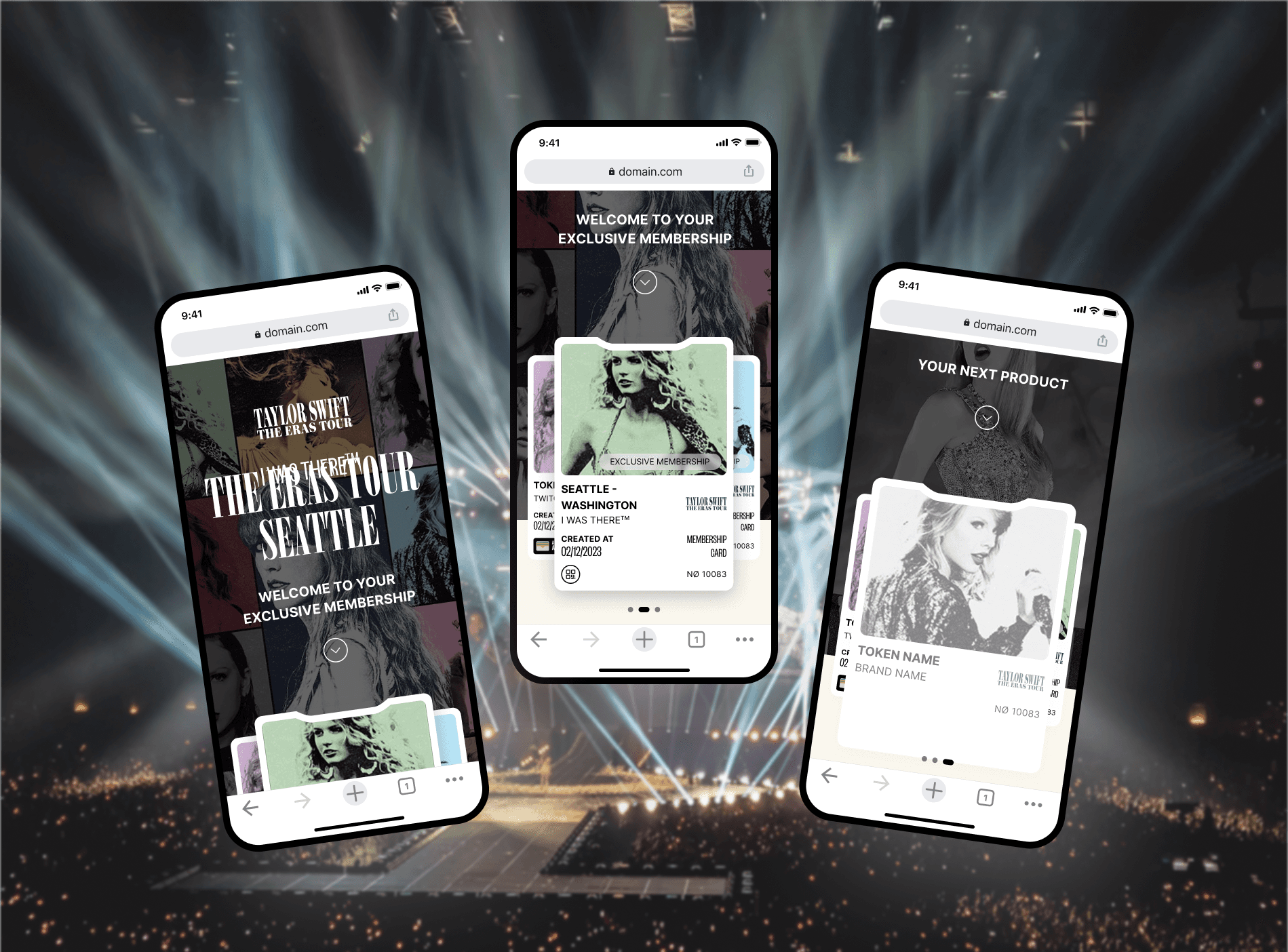
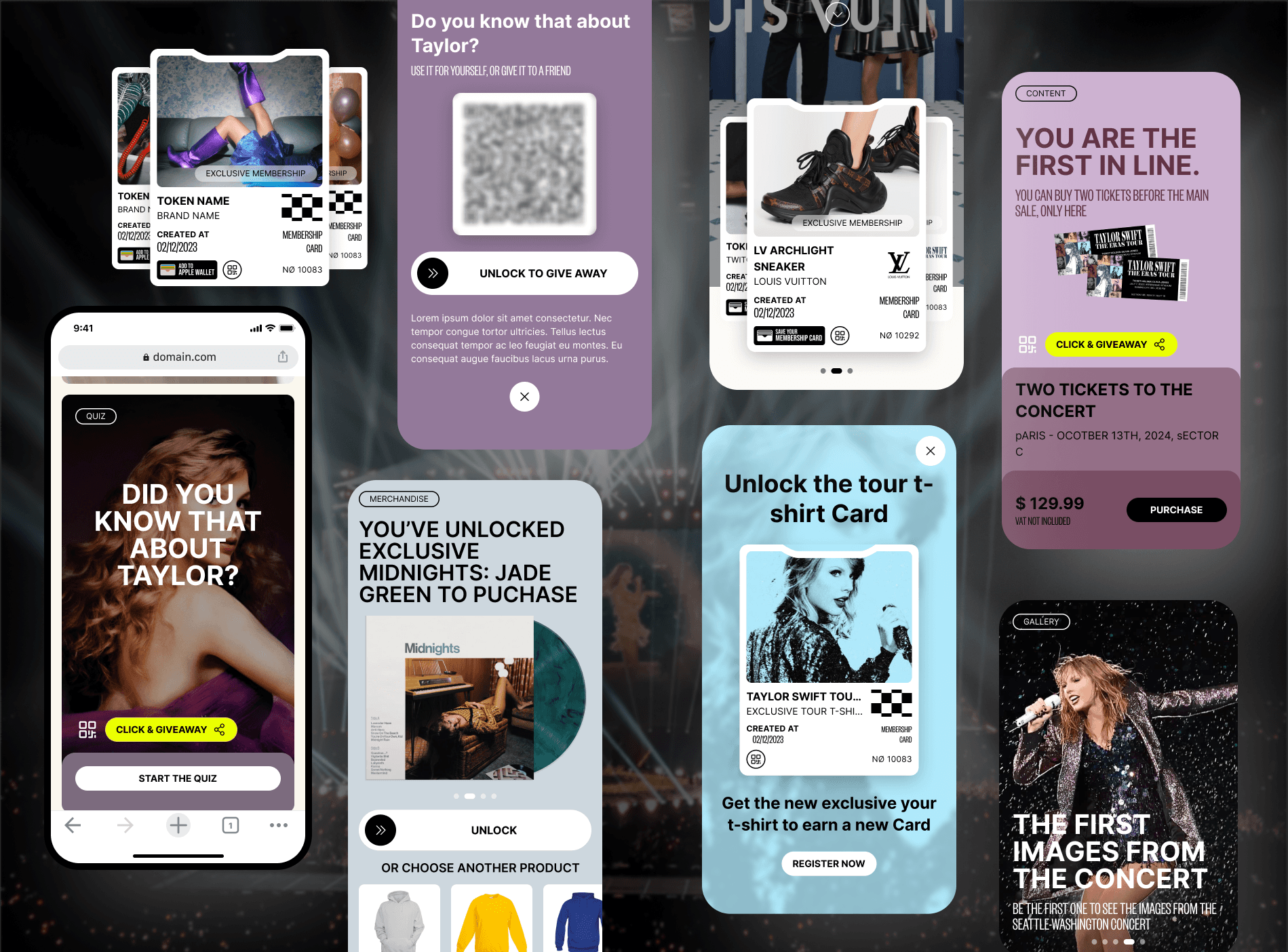
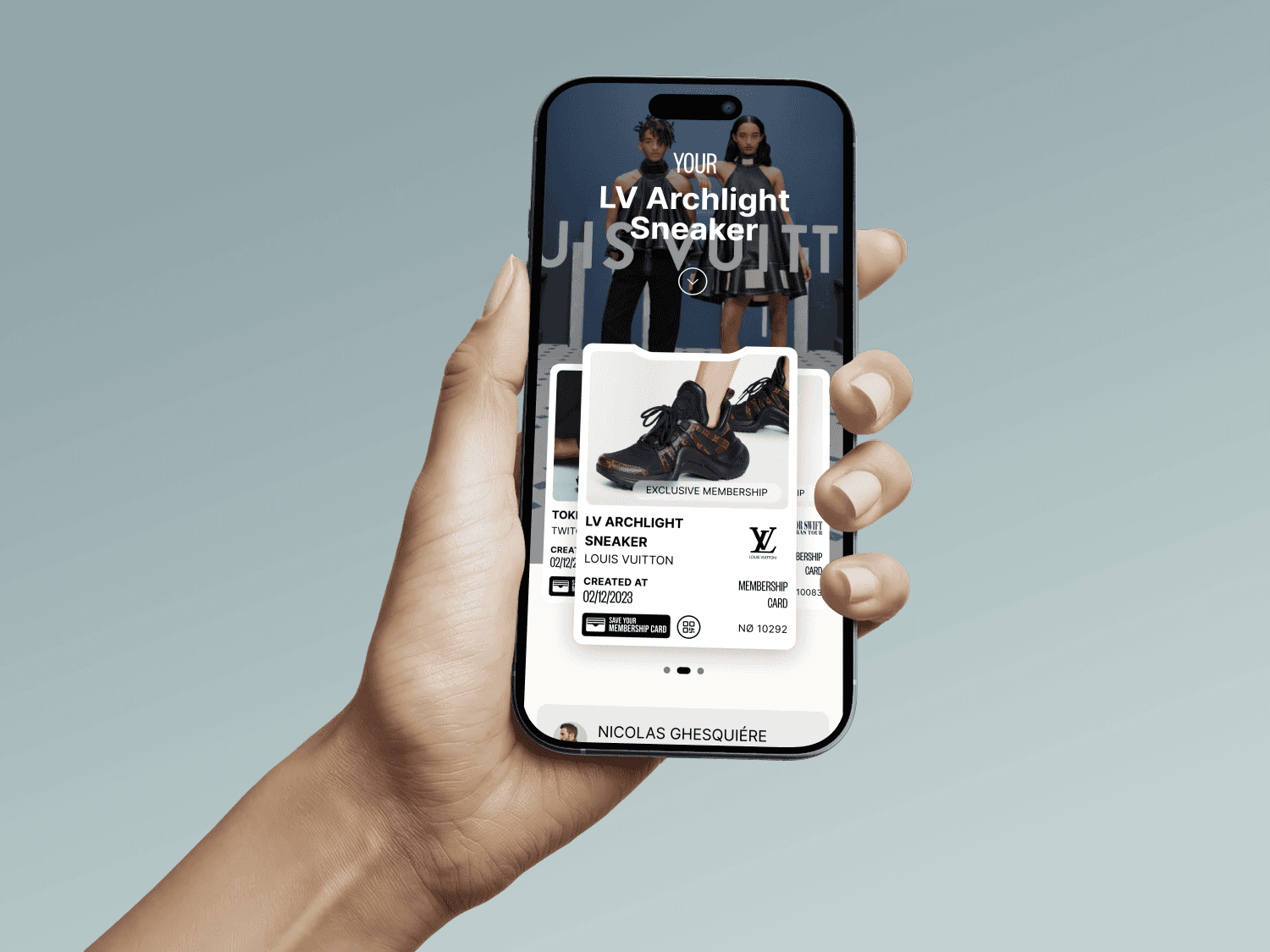
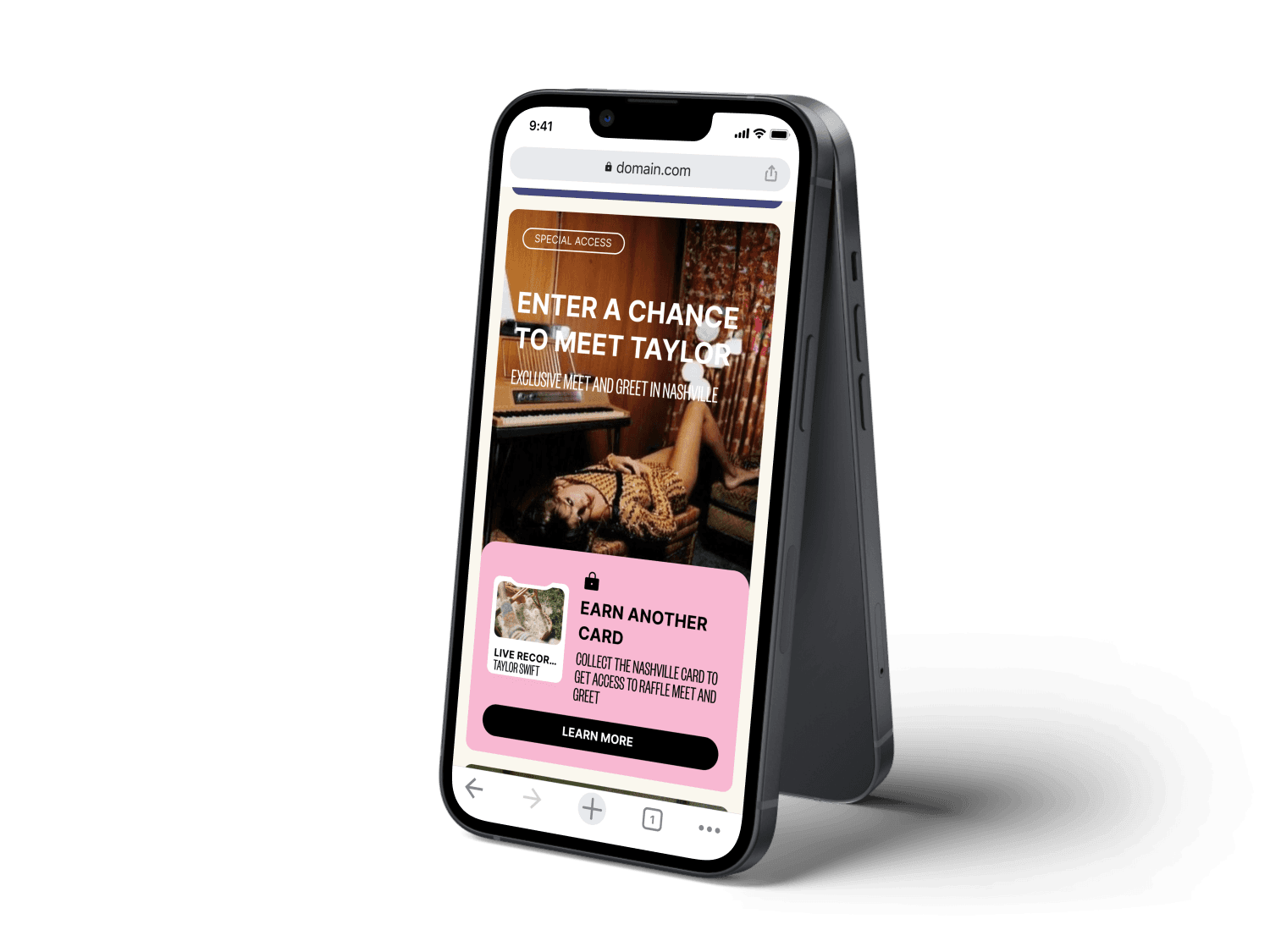
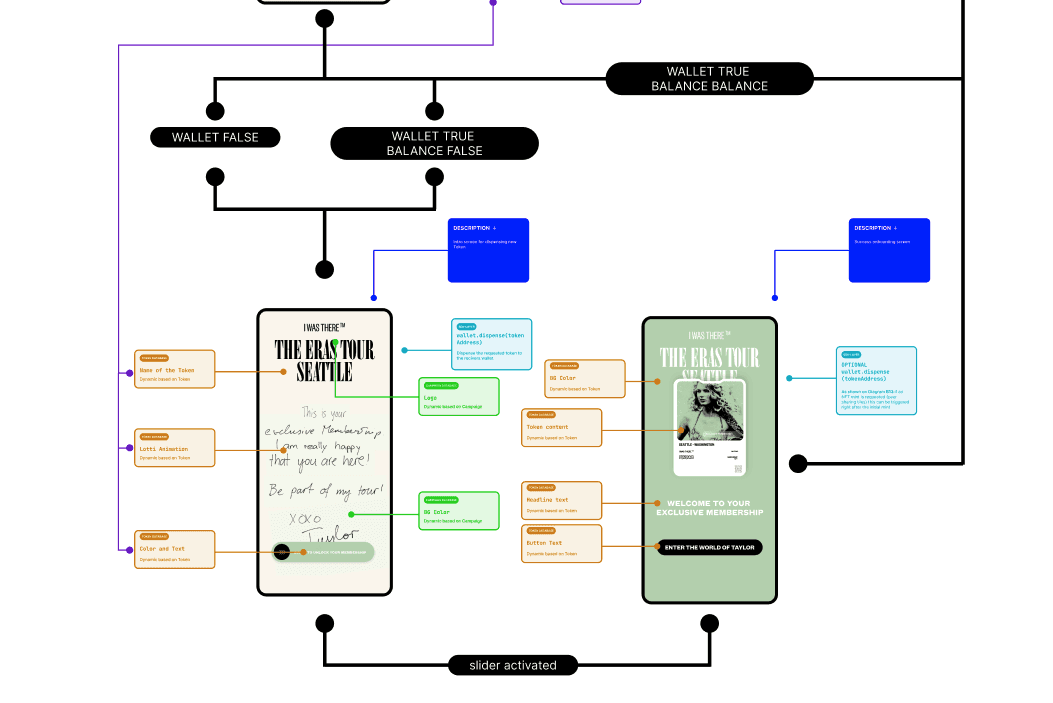
A comprehensive, whitelabel Figma design system built for a digital wallet and events ticketing platform — covering a full token library, component library, tile system, and brand-ready handoff screens for two flagship clients: Taylor Swift and Louis Vuitton.
role
UX/UI
At Fram Creative
Scope
Design System
And Brand Demos
Market
USA
With thoughts of expansion
Industry
Events
overview
A design system built for a brand that could be anyone
Ivy was a digital wallet platform operating in the events and ticketing space - think NFT-backed tickets, exclusive drops, and brand-partnered experiences. The product's core proposition was flexibility: the same underlying platform could be skinned and deployed for any major brand or artist, each with a distinct visual identity, while sharing the same functional foundation.
That required a design system built from the ground up with whitelabeling as a first principle - not bolted on as an afterthought. Every token, component, and tile had to be structured so that swapping a brand from Taylor Swift to Louis Vuitton was a matter of exchanging a library, not rebuilding the product.
The Challenge
Design a system flexible enough to support radically different brand aesthetics - from pop culture to luxury fashion , without compromising on functional consistency, component quality, or handoff clarity for the engineering team.
The Approach
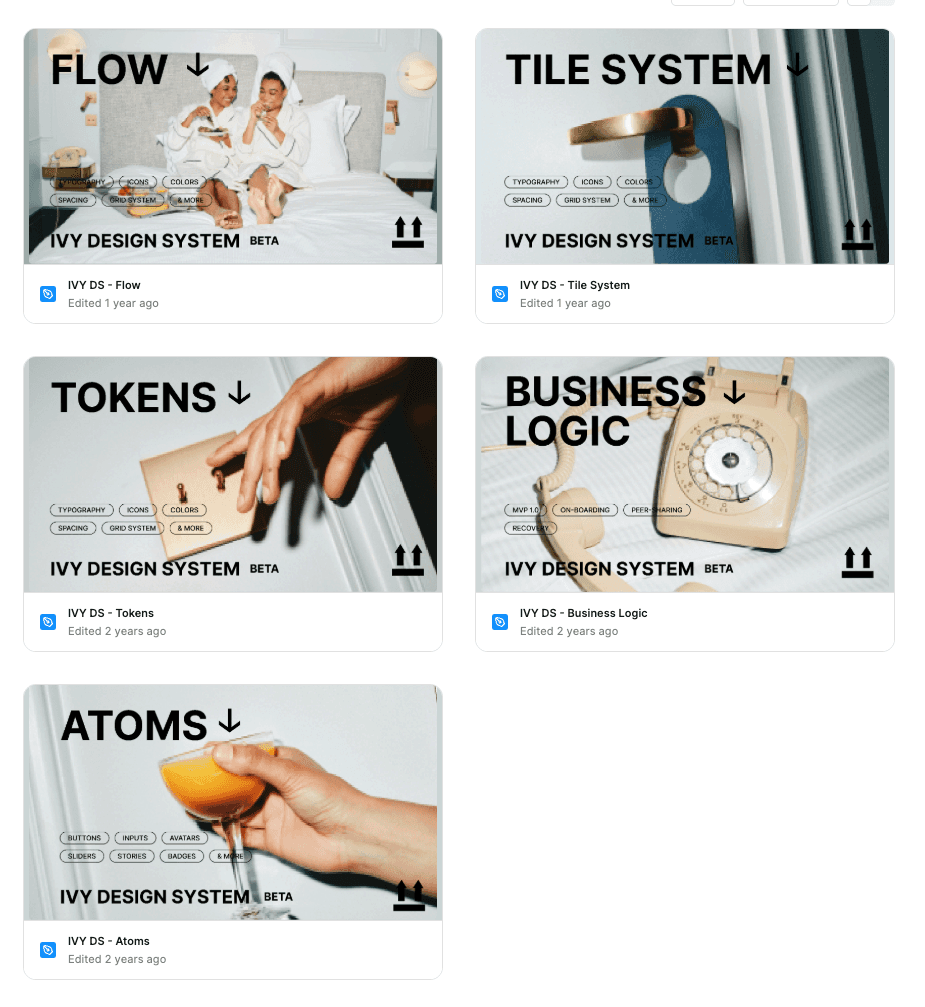
A three-layer Figma architecture: a whitelabel token library at the base, a brand-agnostic component library in the middle, and a tile system on top — with brand demos applied as the final proof of concept.
Reflection
The work was done. The product wasn't.
Ivy represents one of the more technically demanding design system projects, not because of the complexity of any single component, but because of the architectural discipline required to make everything truly whitelabel at every layer.
Building a system that can credibly serve both a Taylor Swift experience and a NFL one - with the same components, just different tokens requires a level of abstraction and foresight that goes well beyond standard component libraries. Every decision about naming conventions, token hierarchy, and component flexibility had downstream consequences for how far a brand could push the system without breaking it.
The project was fully delivered and signed off. That the product never launched is a business outcome outside the scope of the design work. I would have loved to see this live.
outcomes
Key Project Results
5 Sprints, many dev chats later and a lot of demos we had something we liked. The end client confirmed the outcome had matched their business needs and ambitions.